
The Big Mistake
One of the biggest mistakes I keep seeing from traders right now is an obsession with individual tickers while completely ignoring the bigger picture of where money is actually flowing, and in a market like we have had over the past year this is not just a small leak in your process, it is the difference between fighting the tape and riding it. If you are wondering why trades that look perfect on the chart are failing while other names you never considered are ripping, it usually comes down to this one truth that most traders intellectually understand but fail to execute on, sector is driving the bus and institutions are the ones behind the wheel.
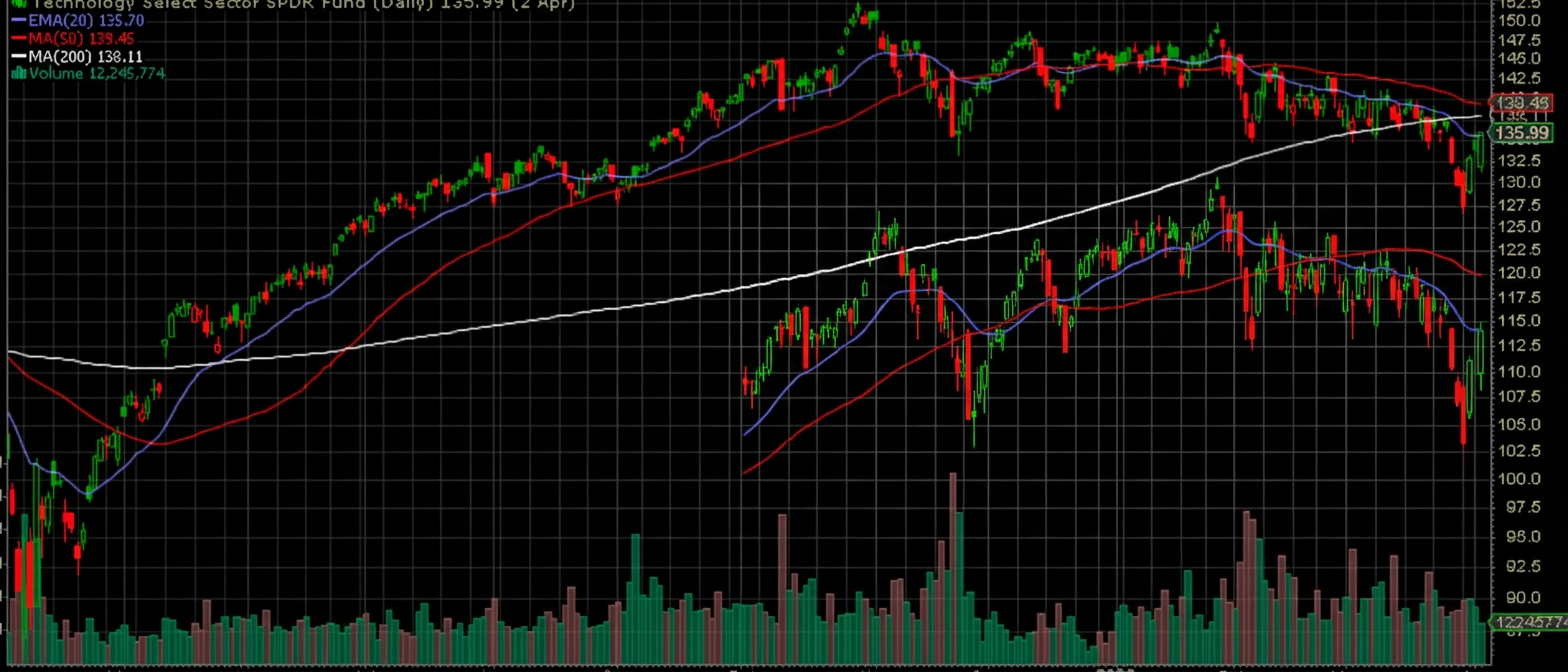
The Market Over the Past Year Has Been a Rotation Machine
If you step back and really study the past year, this has not been a clean trending environment where you could just find strong stocks and hold them, this has been a rotational market where leadership has constantly shifted based on macro narratives, headlines, and institutional positioning. At different points we saw heavy capital flow into AI and mega cap tech, then sharp rotations out of those same names into commodities and energy as inflation and geopolitical tensions picked up, then another shift into industrials as infrastructure and defense spending became dominant themes, and then moments where beaten down retail names came back to life on consumer resilience narratives.
The key insight here is that the strategy that worked in one phase of the market stopped working in the next, and traders who stayed rigid and continued trading the same types of setups in the same types of stocks got chopped up, while traders who adapted to sector rotation were able to continuously find opportunity.
The Rotation Out of Tech and Into Commodities
There was a period where tech, especially AI related names, were the only game in town and you could buy pullbacks, buy breakouts, and get paid consistently because institutions were allocating massive capital into that theme, but once that trade became crowded and valuations stretched, money began rotating out and looking for the next place to generate returns.
That next place became commodities and energy, where rising oil prices, supply constraints, and geopolitical risk created a strong narrative and more importantly strong institutional demand, and what I saw during this phase was traders still trying to force trades in tired tech names while completely ignoring clean breakouts and continuation setups in energy, chemicals, and materials.
This is where understanding money flow becomes critical because price action is simply the footprint of capital, and when you see consistent accumulation across an entire sector, not just one or two stocks, that is your signal that institutions are building positions and that is where your focus should shift.
Industrials and the Power of Narrative Driven Rotation
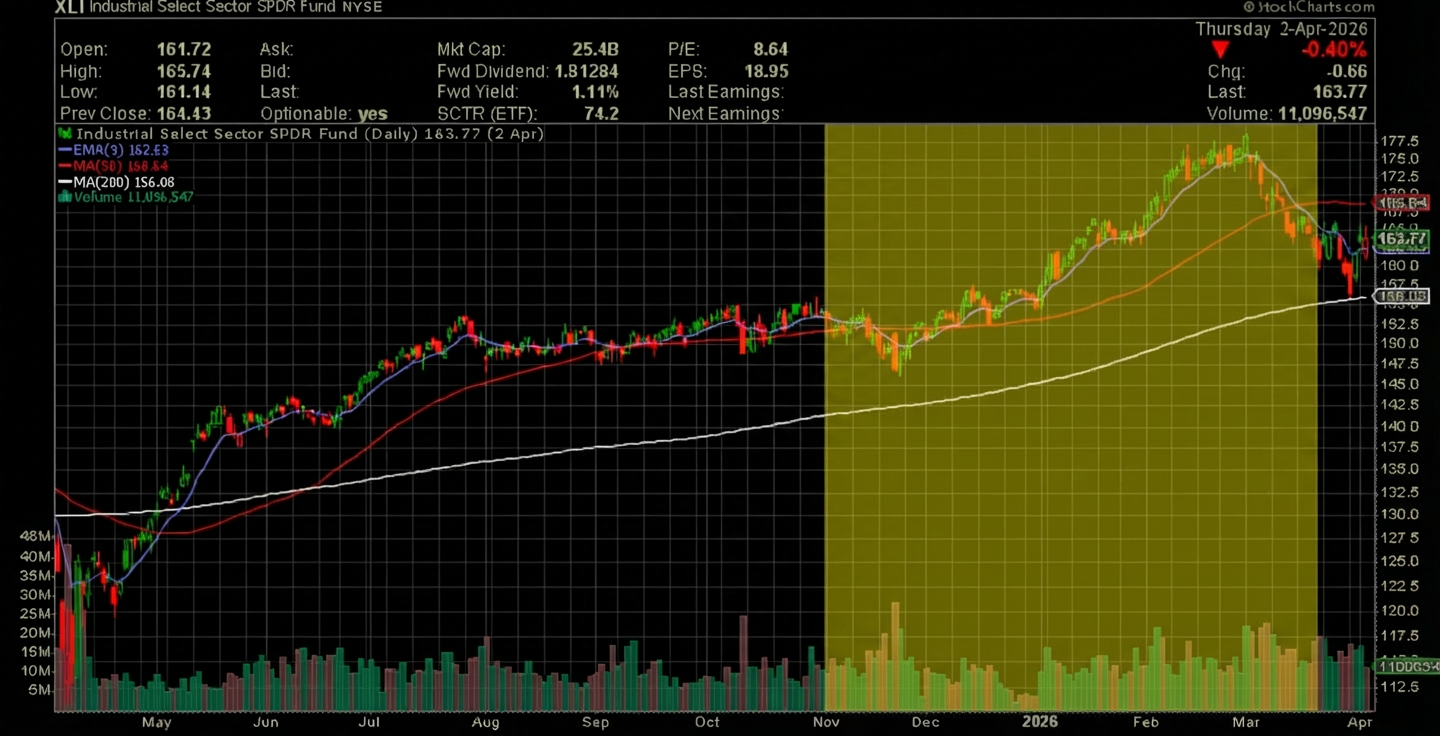
Another phase that caught many traders off guard was the move into industrials, which on the surface may not seem exciting compared to high growth tech, but when you have themes like infrastructure spending, reshoring, and defense, institutions begin allocating heavily into these areas and the price action reflects that.
During this time, I saw clean trends, strong relative strength, and high quality continuation setups in industrial names, while many traders continued to chase lagging tech stocks simply because they were familiar with them, and this is a psychological trap where comfort overrides logic.
The market does not care what you are comfortable trading, it rewards those who align with where capital is flowing, and industrials for a stretch were in clear bull markets even while other sectors were struggling.
Retail and the Snapback Trade Most Traders Miss
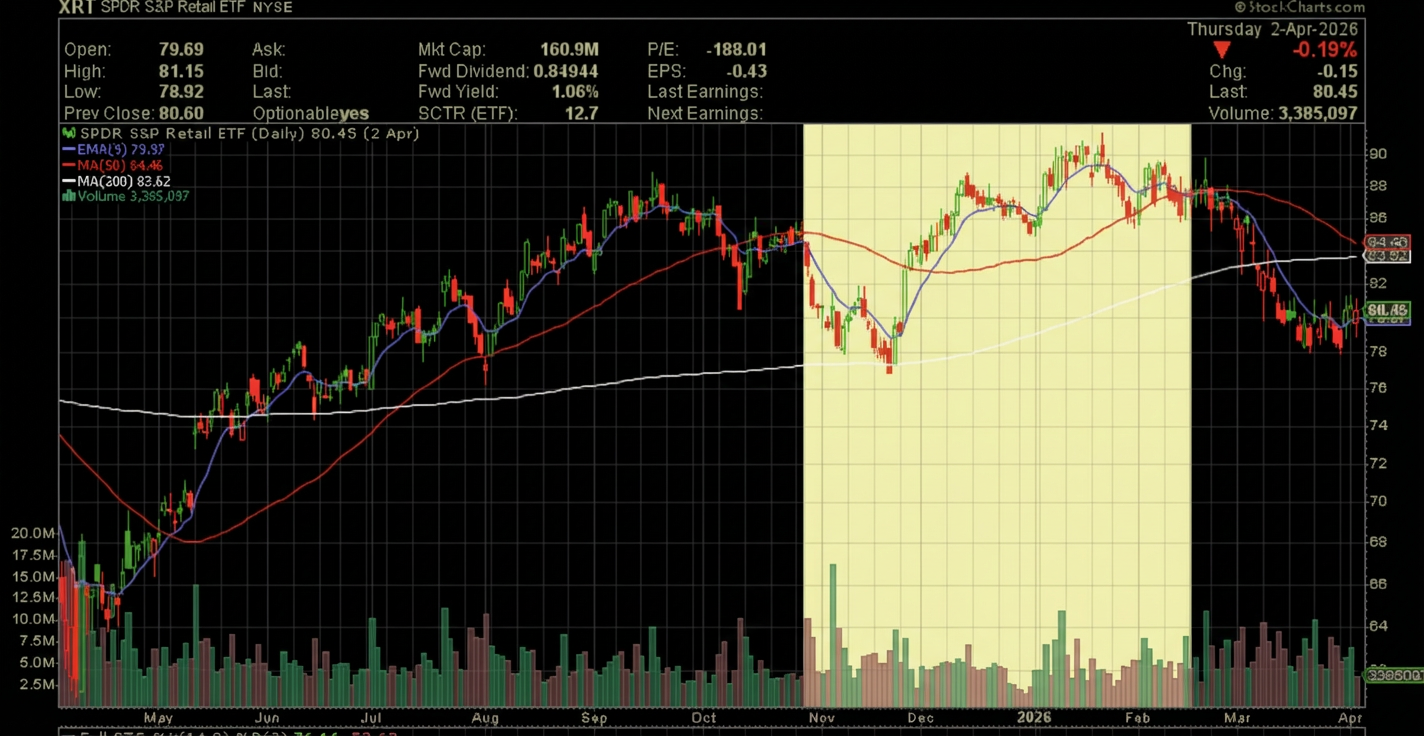
Then you had phases where beaten down retail and consumer discretionary names started to bounce hard, especially after periods of extreme pessimism, and this is where understanding rotation becomes even more nuanced because it is not always about chasing strength, sometimes it is about recognizing when money is rotating into oversold areas for a high velocity rebound.
I talked about this a lot during recent market conditions where if we got any positive macro news or easing of fears, the biggest percentage gains would come from the most beaten down sectors, not the ones already extended, and we saw exactly that as retail names that had been crushed suddenly became leaders for short bursts.
This is where traders who only focus on relative strength get blindsided, because they are late to new rotations and miss the early phase where the real money is made.
Why Most Traders Get This Wrong
The reason most traders ignore sector and money flow is because it requires more work than just scanning for patterns on individual charts, it forces you to think in a top down way, starting with the market, then sectors, then industries, and only then individual stocks.
It also requires you to constantly adapt, which is uncomfortable, especially for traders who have had success with a specific strategy or group of stocks and do not want to deviate from what has worked in the past.
But the reality is that markets evolve, narratives change, and institutional positioning shifts, and if you are not evolving with it you are trading outdated information.
How I Approach Sector and Money Flow in Real Time
For me, the process is always the same even though the sectors change, I start by identifying where the strongest trends are at the sector level, I look for broad based participation within that sector, I analyze volume to confirm accumulation, and then I drill down into the best looking charts within that group.
I am not trying to predict where money will go next, I am reacting to where it is going now, and that keeps me aligned with the market instead of fighting it.
I also keep an eye on lagging sectors that are becoming extremely oversold because those are often the next candidates for rotation, especially in volatile, headline driven markets where sentiment can shift quickly.
The Bottom Line Traders Need to Accept
If there is one thing you take away from this, it is that your edge is not just in finding a good setup, it is in finding that setup in the right sector at the right time, because the same exact pattern can have completely different outcomes depending on whether it is aligned with institutional money flow or fighting against it.
Over the past year the traders who performed the best were not necessarily the ones with the best entries or the tightest risk management, they were the ones who understood that this was a rotational market and positioned themselves accordingly, moving from tech to commodities to industrials to retail as the market dictated.
This is the shift you need to make if you want to stay consistent in markets like this, stop asking what is the best stock to trade and start asking where is the money going, because once you answer that question, the stocks become obvious and the trades start to work a whole lot easier.
Want more insights on trading?
For more on swing trading check out my swing service at bullsonwallstreet.com
Follow me on twitter and instagram.
Information on Personal Mentoring.
 Paul J Singh
Leave a comment