The Headline Sounds Good. The Reality Is Different.
Recently we’ve seen headlines about courts ordering refunds on certain tariffs. At first glance this sounds like good news. If tariffs were ruled improper and money is being refunded, the assumption might be that the economic damage is being undone.
But that’s not how it works.
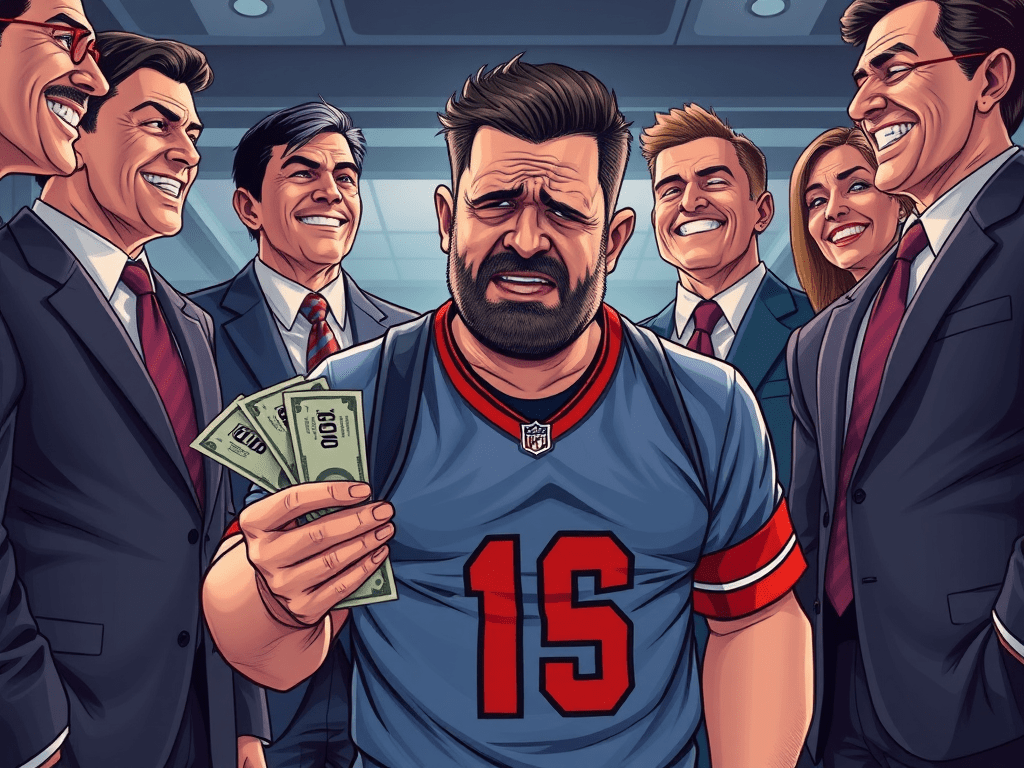
The refund is going back to the companies that paid the tariff at the border. Meanwhile the consumers who paid higher prices during the tariff period are not getting anything back.
So while the policy may be reversed on paper, the economic pain that consumers absorbed remains permanent.
Tariffs Quietly Raise Prices
Despite the political messaging, tariffs are rarely paid by foreign countries. They are paid by domestic importers. When a tariff is imposed, companies importing goods into the country pay the government directly.
Businesses rarely just absorb those costs entirely. Instead the cost moves through the supply chain.
Retailers raise prices.
Manufacturers pass higher costs along.
Suppliers renegotiate contracts.
By the time the process works through the system, many consumers end up paying more for everyday goods. Economists often describe tariffs as a form of hidden tax because consumers feel the price increase without seeing a line item explaining it.
Now the Tariffs Are Being Refunded
Here is where the story becomes strange.
If a court rules that tariffs were improperly imposed, the government refunds the money to the companies that paid them. That means the importers receive the checks.
But consumers, who may have already paid higher prices for months or years, are not part of that refund process.
There is no mechanism to trace who paid what at the retail level. There is no way to refund millions of transactions across countless products. So the system simply stops at the importer.
The legal refund happens. The economic impact remains.
The Consumer Pays Twice
In situations where companies successfully passed tariff costs along to customers, this creates a lopsided outcome.
Consumers paid higher prices when tariffs were in place.
Now the tariff money is refunded to the importer.
That means the consumer cost remains, while the importer receives a refund.
From an economic perspective, the higher prices consumers already paid are effectively locked in. Those dollars are not coming back.
Why the System Works This Way
The structure comes down to legal and logistical realities.
Tariffs are collected from importers, not consumers, so the legal refund goes to the importer. And because goods move through complex supply chains before reaching consumers, there is no practical way to trace price impacts across millions of purchases.
Once prices rise and consumers pay them, the transaction is finished.
Even if the policy that caused the price increase disappears later, the money consumers spent is already gone.
What This Reveals About Trade Policy
This situation highlights a broader truth about tariffs.
They are often presented as tools that target foreign competitors, but the economic effects are far more complicated. Costs move through supply chains, price adjustments ripple across industries, and by the time policy changes occur the economic damage has already been distributed.
When refunds arrive, they follow the legal path of the original payment. Not the economic path of who ultimately bore the cost.
Consumers, who often absorbed part of the price increase, are simply left out of the equation.
Final Thought
The refund headlines make it sound like the system is correcting itself. But in reality the correction stops halfway.
Companies get their tariff money back.
Consumers keep the higher prices they already paid.
And once those dollars leave your wallet, they rarely return.
For us swing traders this means we need to be careful about trading consumer discretionary stocks!
Want more insights on trading?
For more on swing trading check out my swing service at bullsonwallstreet.com
Follow me on twitter and instagram.
Information on Personal Mentoring.
 Paul J Singh
Leave a comment